
Natural light is a strategy.
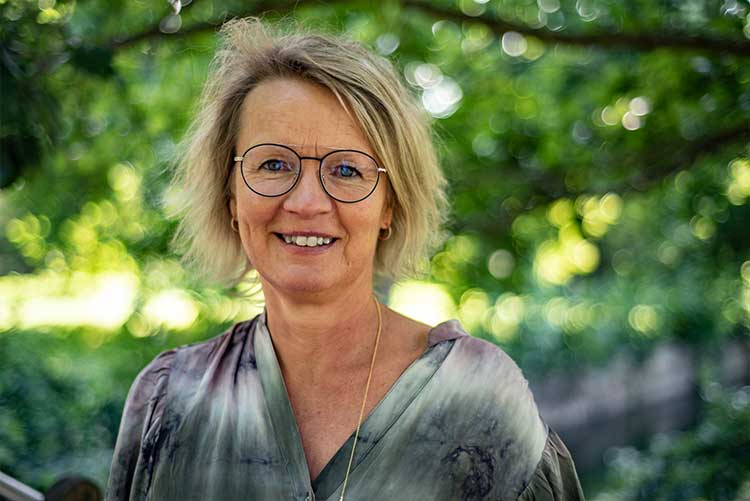
No rig, no studio, just the light that was already there.
I shoot almost entirely in available light.
Outside, on a stage, in a therapy room with one good window, beside a yoga mat mid-session. Whatever light is already there, doing what it does. This isn't a limitation I've settled for or a style I've adopted because it's fashionable. It's a decision about honesty. Controlled studio lighting can do anything, and that's exactly the problem. When you can manufacture the perfect conditions you risk making something that looks polished but feels nowhere. Available light has constraints, and constraints produce something that artificial setups rarely do. Photographs that feel like they belong somewhere real.
What I'm looking for when I shoot isn't the grand moment. It's the details and the small ones. The reflexologist's hands. The yoga teacher's concentration mid-flow. The stage light catching something nobody planned for. The person getting on with their work, unselfconscious, doing the thing they actually do.
Those moments don't perform for the camera. They just exist, and if you're paying attention and the light is right, you catch them.
That's what brand photography should do. Not show a version of a business that's been dressed up for the occasion, but show the thing itself, on a good day, looking exactly like what it is.
The best shoots I've done have had almost nothing to do with me and everything to do with being in the right place and staying quiet enough to notice. Outside on a clear day, the light does the work. At a live event, the rig does the work. In a small studio or a practitioner's room, you find the window and you wait. What you're really photographing isn't the product or the person or the space. It's the feeling of being there. If someone looks at the image and feels something true about the business it came from, that's the job done.